
Favorite Products For Achieving Perfect Parking Surface Gradings
Browse trusted tools and materials praised by professionals for creating smooth, even, and durable parking surfaces.
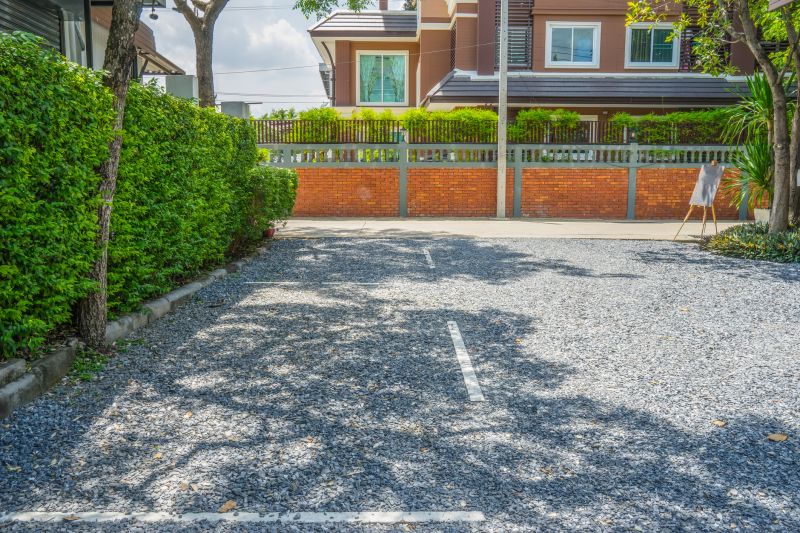 Properly grading a parking surface is essential for ensuring safety, drainage, and longevity of the paved area. Achieving an optimal surface grade involves the use of various tools and products designed to measure, adjust, and maintain the incline or decline of a parking lot or driveway. These products help identify high and low spots, facilitate proper drainage, and prevent issues such as pooling water or surface erosion. Selecting the right tools depends on the specific requirements of the project, including the size of the area, the level of precision needed, and the existing surface conditions.
Top Overall Option
Multi-Functional Surface Leveling Kit
A versatile leveling kit that combines laser levels, grade rods, and spirit levels, designed to provide precise measurements for grading parking surfaces. Its ease of use and accuracy make it suitable for both professional contractors and DIY users seeking reliable results.
Types of Products For Parking Surface Gradings
Laser Level Kits
Devices that project level lines across surfaces to assist in accurate grading and slope measurement.
Grade Rods and Staffs
Telescoping measuring rods used to determine elevation differences across a parking area.
Transit Levels
Optical instruments that help establish precise elevations over larger areas for grading projects.
Spirit Levels and Bubble Levels
Simple tools for quick checks of surface flatness and inclination.
Drainage Grading Rakes
Specialized rakes designed to shape and smooth surfaces for optimal water runoff.
Gravel and Aggregate Materials
Materials used to fill low spots and improve surface grading prior to paving.
Asphalt Patching Compounds
Products used to correct uneven patches and restore surface smoothness.
Leveling Compounds
Mixtures designed to level uneven surfaces before final paving or sealing.
Compaction Equipment
Vibratory plates and rollers used to compact grading materials for stability.
Slope Meters
Tools that measure the incline or decline of a surface to ensure proper grading.
Water Level Devices
Simple tools that use water to establish level lines over large areas.
Soil Test Kits
Kits that help assess soil stability and suitability for parking surface grading.
Surface Scanners
Electronic devices that scan and analyze surface elevations for detailed grading plans.
Popular Choices
A highly used tool for establishing level lines across large parking areas, offering accuracy and ease of use.
A modern measuring rod with digital readouts for quick and precise elevation measurements.
Popular among professionals for establishing accurate grades over extensive surfaces.
Affordable and straightforward tools for quick surface checks.
Essential for shaping surfaces to promote water runoff efficiently.
Helps distribute gravel evenly during surface preparation.
Widely used for quick fixes to uneven patches before final paving.
Popular for smoothing surfaces prior to paving or sealing.
Frequently used to compact grading materials for stability.
Commonly employed to verify inclines and slopes during grading.
A traditional tool for establishing level lines over large distances.
Popular among contractors for assessing soil suitability for grading projects.
Emerging technology used for detailed surface analysis and grading planning.
For professionals and DIY enthusiasts alike, a range of products are available to assist in grading surfaces effectively. Leveling tools such as laser levels, grade rods, and transit levels are commonly used to ensure accurate measurements. Additionally, surface correction products like gravel, asphalt patches, and leveling compounds are often employed to adjust the surface after initial grading. Proper use of these tools and materials can lead to a more durable, safe, and visually appealing parking area.
Maintaining a well-graded parking surface involves regular inspections and adjustments, especially in areas prone to shifting soil or heavy traffic. Investing in quality grading products can simplify these tasks, reduce long-term repair costs, and enhance overall safety. Whether you are working on a small driveway or a large commercial lot, understanding the available products and their applications is key to achieving an effective grading outcome. Carefully selecting appropriate tools and materials will help ensure that your parking surface remains functional and well-maintained over time.
Key Buying Considerations
- Determine the size of the area to be graded to select appropriate tools and equipment.
- Assess the level of precision required for your project, especially for drainage and slope accuracy.
- Consider whether manual tools or electronic devices better suit your experience and needs.
- Evaluate the ease of use and portability of the products, particularly for DIY projects.
- Check the durability and material quality to ensure longevity in outdoor conditions.
- Identify compatibility with other tools or accessories you may already own.
- Review the measurement range and accuracy specifications to match project demands.
- Consider the availability of replacement parts or calibration services for electronic devices.
- Determine your budget while balancing quality and features.
- Think about the frequency of use—investing in higher-end equipment may be beneficial for ongoing projects.
- Look for user reviews and ratings to gauge real-world performance and reliability.
- Ensure safety features are included, especially for power tools and electronic devices.
- Assess the ease of calibration and setup procedures for measurement tools.
- Verify if the products come with comprehensive instructions or training materials.
- Consider environmental conditions, such as weather resistance or waterproof features.
This page contains affiliate links. We may earn a commission if you make a purchase through these links, at no additional cost to you.